
ADHD Couples’ Palooza 2026
October 23–25, 2026
Join us for three days of expert conversations, practical strategies and honest support created specifically for relationships impacted by ADHD.
Come with your partner or come on your own. You do not need to be married or have a formal ADHD diagnosis to attend.

Loving Each Other Isn’t Always the Hard Part
You can care deeply about your partner and still find yourselves caught in the same arguments, misunderstandings and frustrations.
ADHD can show up in communication, household responsibilities, time, memory, emotions, intimacy, money, follow-through… and all the little moments in between.
Sometimes one partner feels criticized or misunderstood. The other feels exhausted or unheard. Both of you may be trying hard and still wondering why things keep getting so complicated.
That’s why we created the ADHD Couples’ Palooza.
For three days, leading ADHD and relationship experts will help you better understand the patterns that can show up in ADHD-impacted relationships and share practical ways to create better communication, connection and collaboration.
When you understand what’s happening, you have the clarity and tools to move forward differently.
How it Works
How the Free Palooza Works
01
Register for free.
Your registration gives you access to all three days of the 2026 ADHD Couples’ Palooza during their free viewing windows.
02
Watch when it works for you.
Each day’s pre-recorded sessions will be released at 12 PM Eastern and remain available until 3 PM Eastern the following day.
That gives you 27 hours of free access each day, with no scheduled presentation times to work around.
03
Join us LIVE on Sunday.
On Sunday, October 25, we’ll come together for a Live ADHD Couples’ Panel + Q&A, included with your free registration.
04
Want more time? Choose Encore.
Upgrade to Encore for ongoing access to session videos and audios, written transcripts and speaker bonus gifts and resources.
Real Relationships. Real ADHD. A Lot to Talk About.
ADHD can affect so many parts of a relationship, from communication and shared responsibilities to conflict, connection and everyday life together.
The Couples’ Palooza brings together experts with different perspectives and areas of expertise to explore those complexities and share practical ways forward.
Across three days, you’ll hear new perspectives, recognize patterns you may not have seen before and discover strategies you can put into practice in your own relationship.

LIVE
ADHD Couples’ Panel + Q&A
Sometimes the most helpful conversation is the one that happens in real time.
Sunday, October 25, 2026
LIVE – 2:00 PM – 4:00 PM Eastern
Join us live for a candid conversation about the realities of relationships impacted by ADHD.
We’ll dig into the questions and situations that don’t always fit neatly into a presentation and give attendees an opportunity to submit questions for the panel.
The live panel is included with your FREE Palooza registration.
Meet the Panelists

First Last Name
Title / Credentials
Read Bio
Insert bio here
First Last Name
Title / Credentials
Read Bio
Insert bio here
First Last Name
Title / Credentials
Read Bio
Insert bio here
Meet the 2026 Speakers
Learn from ADHD and relationship experts across three days of presentations designed to help you better understand ADHD in relationships and find practical ways forward.
Friday’s sessions are available from 12 PM Eastern until 3 PM Eastern on Saturday.

The ADHD Apology Problem: Sorry Isn’t Always Enough
Sharon Saline, Psy.D.
Read Session Description & Bio
We all make mistakes in relationships, and a sincere apology can go a long way. But when ADHD-related challenges with forgetfulness, impulsivity, emotional reactivity, or follow-through lead to the same conflicts again and again, “I’m sorry” may stop feeling like enough. One partner may feel frustrated and disappointed, while the other feels ashamed, defensive, or discouraged that their best intentions haven’t led to lasting change. In this session, we’ll talk about how couples can step out of this painful cycle and move toward repair instead of blame. You’ll learn practical ways to pair compassion with accountability, work together on realistic changes, and rebuild trust through what happens after the apology.
About Dr. Saline:
Dr. Sharon Saline is the author of the award-winning book What Your ADHD Child Wishes You Knew: Working Together to Empower Kids for Success in School and Life and The ADHD Solution Card Deck. She specializes in working with ADHD and neurodivergent children, teens, adults, and families, helping them improve cognitive and executive functioning skills, mental health, resilience, self-confidence, and personal relationships. She consults with schools, clinics, and businesses internationally. Dr. Saline is an instructor at the University of Massachusetts Chan Medical School, a part-time lecturer at the Smith College School for Social Work, a blogger for PsychologyToday.com, and a contributing expert on MASS Live at WWLP TV. She serves on the editorial board and hosts a monthly live event for ADDitudemag.com. Her writing has also been featured in numerous online and print publications, including MSN.com, The Psychotherapy Networker, Smith College Studies in Social Work, and Attention Magazine.

Love Without Overfunctioning: Being Responsible TO Your Partner, Not FOR Them
Kristen Carder
Read Session Description & Bio
What if loving your partner didn’t require managing their emotions, fixing their problems, or carrying the relationship on your back? In this session, you’ll learn the game-changing difference between being responsible TO your partner and being responsible FOR them. One creates trust, teamwork, and intimacy. The other breeds resentment, exhaustion, and parent-child dynamics. Especially in ADHD relationships, it can be easy to confuse helping with overfunctioning. You’ll learn how to stay deeply supportive without taking over, how to set healthier boundaries without becoming distant, and how to build a relationship where both people are allowed to be capable, responsible adults.
About Kristen Carder:
Kristen Carder is the host of the I Have ADHD podcast and a multi-certified coach who has supported thousands of people with ADHD worldwide. She is the author of the new book You’re Not in Trouble: The ADHD Guide to Building Healthy, Connected Relationships and the founder of FOCUSED, a global coaching program for adults with ADHD.
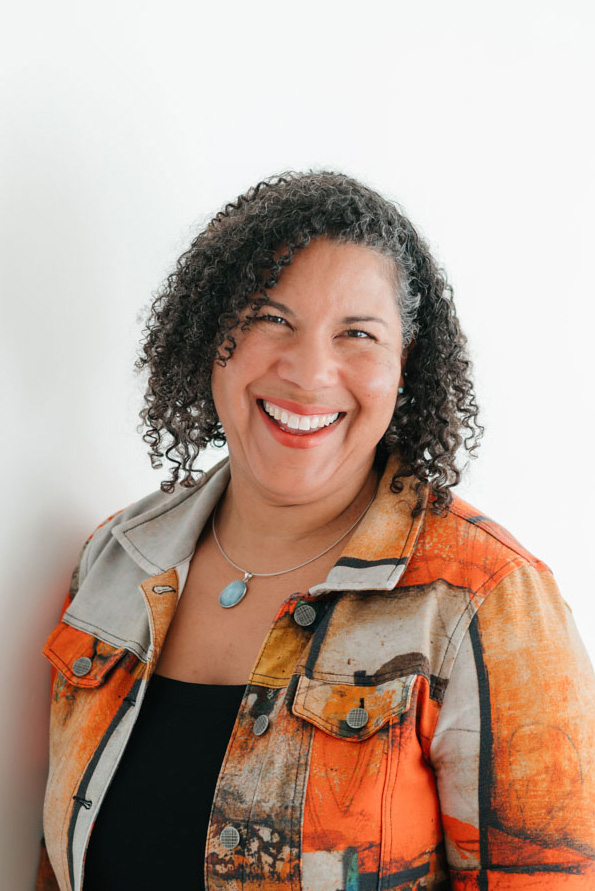
Distracted in the Bedroom? Let’s Talk ADHD and Couples
Lyne Piché, Ph.D.
Read Session Description & Bio
All relationships have challenges, but ADHD can bring some unique ones into the bedroom. In this fun, conversational, and upbeat discussion about ADHD, sex, and relationships, we’ll explore how distractibility, sensory needs, novelty, and other ADHD traits can affect intimacy and sexual connection. Dr. Lyne shares practical ways couples can better understand these challenges, communicate about their needs, stay present, and bring more play, pleasure, and connection into their relationship.
About Dr. Piché:
Dr. Lyne Piché is a Psychologist who has helped people with sexual issues for 28 years. She specializes in the intersection of ADHD and sexuality. She provides sexual therapy, couples counselling, relationship counselling, and trauma counselling in her private practice. Dr. Piché is an EMDRIA-certified EMDR therapist. She is also a Forensic Psychologist. She was awarded a Significant Contribution Award by the Criminal Justice Section of the Canadian Psychological Association in 2026. Dr. Piché offers online courses about ADHD & sex for the general public and for clinicians. She has also published a workbook about ADHD and sex, which is now available. To learn more about Dr. Piché, please visit www.ADHDsex.com.

We Finally Saw the Same Thing: What Happier Together Actually Looks Like
Robin Nordmeyer, CLC, PCAC
Read Session Description & Bio
1. Two truths, one day. Couples arrived stuck in repeating fights. Both partners were rating the same behaviors from opposite seats, some very much real, some misguided.
2. The reframe does the work. Once behavior was understood as differences in brain wiring and executive function, rather than character, both partners’ ratings improved, with gains holding out in future weeks.
3. Nobody improves alone. A big take away demonstrated from the study was It Takes Two – Couples where both partners engaged moved forward. Couples who left it to the ADHD partner did not. Happier together is a team result, by design. The study supported the redesign.
About Robin Nordmeyer:
Robin Nordmeyer, PCAC, is Co-founder of the Center for Living Well with ADHD, a twelve-coach practice serving every age and stage. She is also founder of Realized Brilliance. With 15 years of coaching, she specializes in coaching executives, founders, and couples impacted by ADHD.
With colleague Joyce Kubik, she created and led Marriage Uncomplicated, an eight-week group workshop over three years. Their study of twenty-eight couples, newly published in the International Journal of Evidence-Based Coaching and Mentoring, is the only peer-reviewed study of coaching for ADHD couples and evidence that both partners gain by working as a team. That work continues with ADHD Marriage Uncomplicated, a 12-week program she leads with Center Co-founder Katherine Jahnke.
Robin has watched the patterns ADHD creates in leadership surface on the home front, so her work expands into building collaboration, contribution, and presence with the people clients care about most. Robin is a Certified Experience Design Consultant focused on neurodivergent employee experiences; she brings a Fortune 100 background at Procter & Gamble and serves as Vice President and Credentialing Co-Chair of the Professional Association of ADHD Coaches. She has navigated much of what she teaches in her own forty-year marriage.
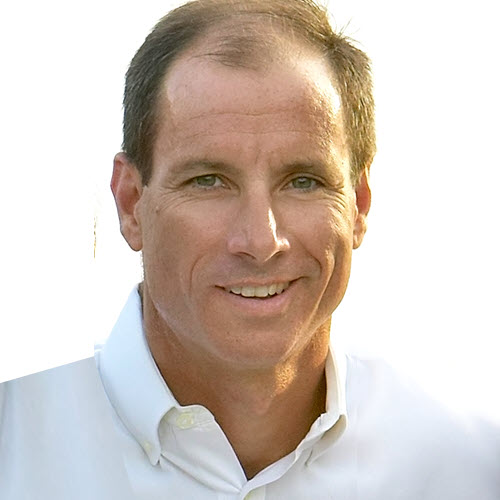
Pressure Creep: Relationship Challenges Hidden in Plain Sight
Jeff Copper, MBA, PCC, PCAC, CPCC, ACG
Read Session Description & Bio
In simple terms, the job of the defense in sports is to put pressure on the offense. Why? Because it inhibits performance. Pressure in a relationship can have a profound negative ripple of impact. It’s like the “boiling frog” parable. If you put a frog into boiling water, it will immediately jump out. But if you put it into cool water and slowly raise the temperature, the frog supposedly won’t notice the gradual change and will eventually be boiled. This presentation will address the kinds of pressure and the impact of pressure to reveal the important need for daily awareness.
About Jeff Copper:
Jeff Copper, cognitive engineer, ADHD coach, and expert on attention issues, is founder of DIG Coaching Practice and host and founder of Attention Talk Radio and Attention Talk Video. He coaches individuals with ADD/ADHD who are seeking to realize their potential, both personally and in business. As someone who has had to learn to manage attention and deal with his own challenges, he is the author and developer of Cognitive Ergonomics From the Inside Out®, an innovative and radical departure from the current paradigm as an intervention for ADHD. He received the 2022 Professional Excellence Award by the ADHD Coaches Organization. He holds a bachelor’s degree from Indiana University, an MBA from University of Tampa, professional designations from International Coaches Federation (ICF), Professional Association for ADHD Coaches (PAAC), and certifications from ADD Coach Academy (ADDCA) and Coaches Training Institute (CTI). He is a member of Attention Deficit Disorder Association (ADDA), Children and Adults with Attention Deficit/Hyperactivity Disorder (CHADD), ADHD Coaches Organization (ACO), PAAC, and ICF. He has published eight eBooks, and his work continues to redefine ADHD coaching, empowering individuals to harness their strengths, manage challenges, and achieve their full potential with greater efficiency and confidence.

Accepting ADHD without “Giving Up or Giving In”
Melissa Orlov
Read Session Description & Bio
What does it really mean to accept ADHD in a relationship without feeling like you’re giving up, giving in, or lowering your standards? Melissa Orlov explores how ADHD can affect trust, expectations, and partnership—and how couples can find a healthier balance. Learn how focusing on values, boundaries, transparency, and each partner’s responsibilities can help move ADHD from a source of ongoing conflict toward a more neutral presence in the relationship.
About Melissa Orlov
Melissa Orlov is the founder of ADHDmarriage.com and has spent nearly two decades helping couples improve their ADHD-impacted relationships. Her seminars, books and writings have helped hundreds of thousands learn how to love again.
Saturday’s sessions are available from 12 PM Eastern until 3 PM Eastern on Sunday.

Ask For What You Want (Instead of Complaining About What You Didn’t Get)
Read Session Description & Bio
It’s easy to feel disappointed or frustrated with our partner at times. Nobody’s perfect. It’s also easy to respond to that disappointment or frustration with a complaint or accusation (“you’re so critical”). While this may be true, it’s probably not helpful. So, let’s talk about how to ask for what you want instead (“I’m sorry I forgot, but I would really appreciate it if you could notice how hard I’m trying”). This makes it easier for your partner to empathize and work together, rather than sliding into a defensive debate. Let’s both bring our best to these moments.
About Dr. Tuckman:
Ari Tuckman, PsyD, MBA is a psychologist, international presenter, author, and ADHD thought leader. He has given more than 900 presentations and podcast interviews and routinely earns excellent reviews for his ability to make complicated information understandable and useful. He is the author of five books, including his newest, The ADHD Productivity Manual. A popular expert and advocate, he has been widely quoted in national media such as The New York Times, CNN, Washington Post, and Boston Globe, and serves as an expert advisor for the Institute for Challenging Disorganization, Understood.org, InsightTimer, and CHADD’s media team.
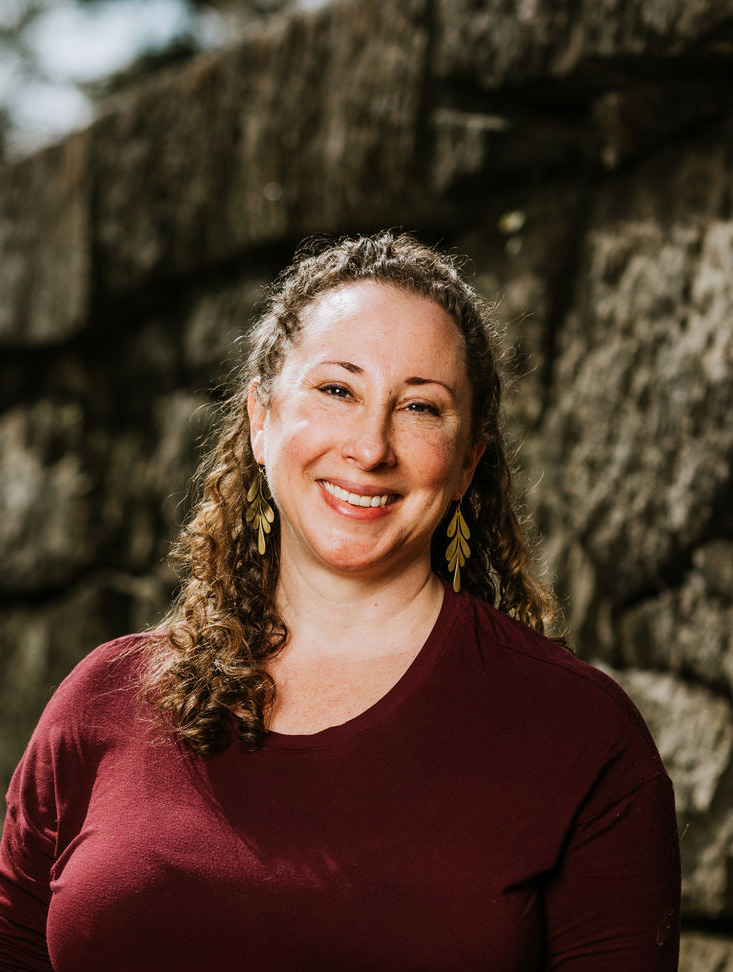
Practical Ways to Shift Out of the Parent/Child Dynamic (Strategies for Both Partners)
Rachel Ban, LICSW
Read Session Description & Bio
Does it feel like one of you is doing all the tracking, managing and fixing, while the other feels micro-managed and like they can’t do anything right? We call this the parent/child dynamic and it is one of the most common challenges in ADHD impact relationships. It often leaves one partner feeling exhausted and resentful and the other feeling criticized and full of shame. In this practical, encouraging session, you’ll learn why this dynamic develops, how both partners keep it going without meaning to, and realistic strategies each of you can start using right away. You’ll leave with fresh tools and renewed hope for sharing the load and reconnecting as equal partners.
About Rachel Ban:
Rachel Ban, (she/her) is the Director of Couples Programs at ADHD and Marriage, and a seasoned couples therapist who brings extensive professional training focused on evidence-based couples therapy and ADHD relationship dynamics, as well as ample personal experience in a relationship with an ADHD partner. Rachel co-created and runs the Intent to Action Membership Program — the only place exclusively for couples with ADHD relationship dynamics to access community, expert support and a wealth of information to turn good intentions into meaningful action.

How Different Styles Collide: When ADHD Gets Blamed for Misunderstandings
Bonnie Mincu, MA, MBA
Read Session Description & Bio
In many couples where ADHD is present, the ADHD gets blamed whenever there’s friction or misunderstanding. This happens when communication goes wrong, or when motives behind someone’s actions are misinterpreted. But the real issue may not be ADHD at all. Instead, it’s often a hidden clash of personal preferences and communication styles that cause people to misread each other’s meaning.
Find out how basic personal differences and opposite conversational norms can lead to misunderstanding, rejected feelings, and unnecessary blame. Learn how to decode hidden verbal and behavioral cues for more effective communication and greater insights in understanding your partner.
About Bonnie Mincu:
Bonnie Mincu has coached and trained adults with ADHD since 2001, following a 23-year corporate career in training, coaching, management consulting and Organization Development. She thrived in that deadline-driven environment, only learning she had ADHD after leaving it.
Her extensive background in communication and interpersonal dynamics gives Bonnie a unique perspective on what happens when different personal and communication styles collide. As an Organization Development consultant, she helped work teams recognize how differences in personality, communication preferences and cultural styles could easily be misinterpreted as problems with the other person.
Bonnie now brings that perspective to her work with ADHD adults, where relationship concerns often arise in coaching. She helps clients recognize when ADHD may be affecting a relationship—and when perfectly valid differences between two people are being mistakenly blamed on ADHD.
Bonnie has developed numerous tools, strategies and courses for ADHD adults and is a frequent speaker at ADHD conferences and summits. Her online Productivity Pathfinder membership helps adults with ADHD build greater self-mastery through training, coaching and live events.

The Nervous System Behind the Argument: ADHD, Regulation and Connection
Lisa Rabinowitz, MA, LCPC
Read Session Description & Bio
Why do ADHD couples keep having the same argument, even when they both want things to get better? Often, the real problem is not the topic itself, but what is happening in each partner’s nervous system. When overwhelm, defensiveness, shutdown, or emotional dysregulation take over, even small disagreements can quickly feel huge. In this engaging presentation, Lisa Rabinowitz will help couples recognize the hidden regulation patterns driving conflict and disconnection. Participants will learn simple ways to interrupt escalation, understand each other more clearly, and reconnect faster after conflict. The goal is not perfect communication, but a calmer, safer, more connected relationship.
About Lisa Rabinowitz:
Lisa Rabinowitz, MA, LCPC, is a licensed couples therapist, relationship coach, author, and speaker specializing in ADHD and relationships. She is a Certified Gottman Couples Therapist, Certified PACT Couples Therapist, ADHD-Certified Clinical Services Provider, and Certified Informed Menopause Practitioner. Lisa works with couples who feel stuck in cycles of conflict, disconnection, resentment, emotional reactivity, and misunderstanding. Her approach integrates evidence-based couples therapy with attachment work, nervous system regulation, breathwork, mindfulness, and practical tools that help partners understand one another more clearly and create lasting change. She is the author of Why Won’t You Stop Interrupting Me? Simple Solutions for ADHD Couples and has presented nationally and internationally on ADHD, relationships, emotional regulation, and couples communication. Lisa is especially passionate about helping neurodiverse couples move beyond blame and recognize the deeper patterns driving their struggles. Through therapy, couples intensives, retreats, speaking, and education, Lisa helps partners strengthen emotional safety, improve communication, deepen intimacy, and develop a more secure and connected relationship. Her work emphasizes compassion, accountability, and practical strategies couples can use long after therapy ends.

ADHD or Toxic Relationship? How to Tell the Difference
Stephanie Sarkis, Ph.D.
Read Session Description & Bio
Is it ADHD, or is something more concerning happening in your relationship? ADHD can contribute to impulsivity, emotional dysregulation, communication difficulties, and problems with follow-through. But some behaviors may also be signs of an unhealthy or toxic relationship. In this engaging interview, Dr. Stephanie Moulton Sarkis explores how to tell the difference and what to do when ADHD and unhealthy relationship dynamics overlap. Learn how patterns of accountability, empathy, repair, manipulation, gaslighting, and control can help determine what you’re experiencing. You’ll leave with practical insights for recognizing the key differences between ADHD-related challenges and toxic relationship patterns, and why knowing the difference matters.
About Dr. Sarkis:
Stephanie Moulton Sarkis, Ph.D., is a licensed, board-certified psychotherapist and Florida Supreme Court Certified Family and Circuit Mediator specializing in ADHD, anxiety, narcissistic abuse, and relationship dynamics. She is the author of several books and workbooks, including the bestselling Natural Relief for Adult ADHD: Complementary Strategies for Increasing Focus, Attention, and Motivation With or Without Medication and Healing From Toxic Relationships: 10 Essential Steps to Recover from Gaslighting, Narcissism, and Emotional Abuse.
Dr. Sarkis hosts the Talking Brains podcast and co-hosts the Briefcase & Couch podcast. A longtime contributor to Psychology Today, she is a sought-after expert featured in media outlets worldwide. She maintains a teletherapy private practice based in the Tampa Bay area.

Too Loud, Too Bright, Too Scratchy, Too Much: Sensitivities and the ADHD Relationship
Linda Roggli, PCC
Read Session Description & Bio
Coming Soon.
Sunday's sessions are available from 12 PM Eastern until 3 PM Eastern on Monday.
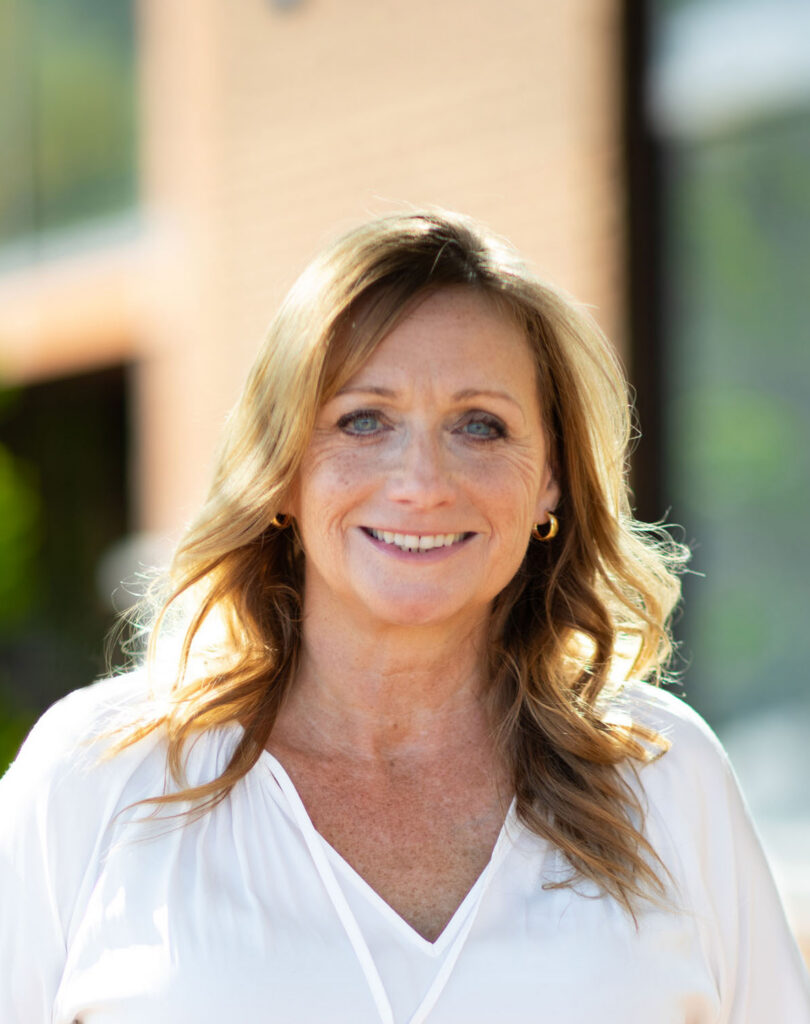
The Myth of Consistency in ADHD Relationships
Tamara Rosier, Ph.D., BCC
Read Session Description & Bio
In ADHD relationships, inconsistency is often mistaken for indifference. A partner may remember something one day and forget it the next. Follow through easily in one situation and struggle in another. From the outside, that can look like a lack of effort, caring, or responsibility. In this session, Tamara Rosier will explain why ADHD creates inconsistent access to attention, working memory, motivation, emotional regulation, and follow-through. Couples will learn how to separate ability from access, understand what affects access in the moment, and reduce the blame and resentment that can build when inconsistency is misunderstood.
About Dr. Rosier:
Dr. Tamara Rosier is an author, speaker, and founder of the ADHD Center of West Michigan, where she and her team of therapists, coaches, and nurse practitioners support individuals and families with the emotional, relational, and executive-function challenges of ADHD. She is also co-leader of PTS Coaching, which provides parent coaching, educator training, and professional development. She is the author of Your Brain’s Not Broken, You, Me, and Our ADHD Family, and Your Brain’s Not Broken for Teens and Young Adults. Her work focuses on helping people understand the patterns behind ADHD, move beyond shame, and develop practical strategies that work with the ADHD brain. Tamara is a former president of the ADHD Coaches Organization and co-chairs the International Conference on ADHD.
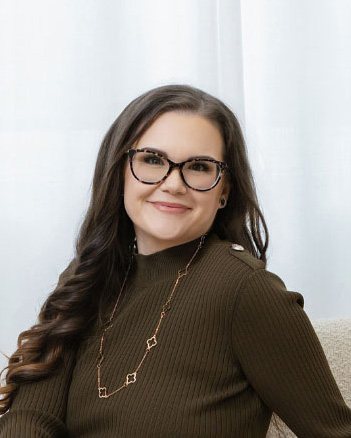
Your Sex Life Might Need Accommodations, Not More Effort: ADHD, Stimulation & Intimacy/Sex
Leann Borneman, PhD, LCSW, CST
Read Session Description & Bio
When sex becomes difficult in an ADHD relationship, couples are usually told to communicate more, schedule sex, reduce distractions, or just make intimacy/sex a priority. Sometimes that helps but the issue here is that the sexual environment itself isn’t giving someone’s brain what it needs. This conversation would introduce erotic accommodations and stimulation thresholds which are about how attention, sensory needs, novelty, intensity, predictability, movement, context, and stimulation can all affect someone’s ability to become and stay engaged sexually. Couples would learn how to get curious about the conditions that make intimacy/sex more accessible instead of assuming distraction, boredom, or inconsistent engagement means something is wrong with the relationship.
About Dr. Borneman:
Dr. Leann Borneman is a clinical sexologist, AASECT-certified sex therapist, licensed psychotherapist and ADHD sex and relationship researcher. Dr. Borneman is the person making the field of ADHD research uncomfortable in the best possible way. She specializes in the intersection of ADHD and sexuality by bringing rigorous science to a space that has been woefully under researched and overrun with misinformation. Through 7+ years of clinical work, her Executive Desire Model framework, and her podcast ADHD Realities, she helps individuals and couples stop fighting their brains and start building sex lives and relationships that work for them. She’s not here to validate oversimplified narratives. She’s here to raise the standard for clients, for clinicians, and for the field.
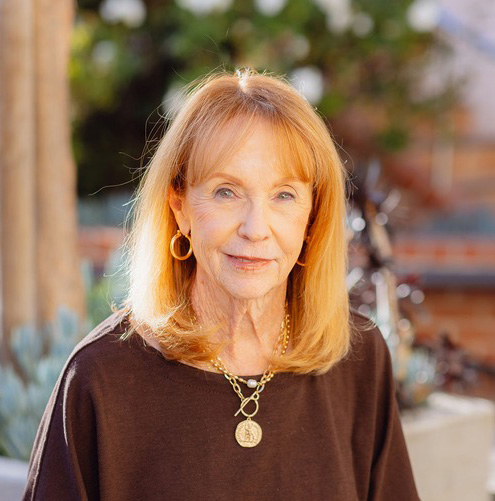
It’s Not What You Think: Understanding ADHD in Relationships
Susan Dillon Tschudi, M.A., L.M.F.T.
Read Session Description & Bio
Relational difficulty is a very common complaint attached to adult ADHD. These difficulties often leave the non ADHD partner confused, frustrated, and even desperate. Adult ADHD manifests within the five life dimensions (relational, physical, emotional, personal, and spiritual), leaving the non ADHD partner confused and misinterpreting how ADHD symptoms in all areas may be adversely affecting the relationship.
About Susan Dillon Tschudi:
Susan Dillon Tschudi is a licensed Marriage and Family Therapist and relationship expert. She is the author of “Loving Someone with Attention Deficit Disorder (New Harbinger Publications); a chapter contributor in “The Distracted Couple: The Impact of ADHD on Adult Relationships,” (Crown House Publishing); and author of numerous articles on the subject of ADHD and relationships. As an experienced speaker, she has addressed local, national, and international groups and media outlets on the subject of neurodiversity. Susan has also served as an adjunct faculty member at Pepperdine University’s Graduate School of Education and Psychology.

Stop Managing, Start Partnering: What Really Works in ADHD Relationships
Timothy Dearhamer, LCSW, LISW
Read Session Description & Bio
When one partner becomes the manager and the other feels managed, resentment, shame, and frustration can quickly take over. Timothy Dearhamer explores how ADHD couples get stuck in this parent–child dynamic—and, more importantly, how to get out of it. Discover practical ways to break unhelpful conflict cycles, create systems that work with ADHD, share responsibilities more effectively, and get back to being partners instead of manager and managed.
About Timothy Dearhamer:
Timothy Dearhamer is a licensed clinical social worker in Oklahoma and Iowa and the founder of a private practice devoted to adult ADHD and ADHD in relationships in Tulsa, OK, Muscogee (Creek) Nation. Timothy works with couples who love each other and struggle with how ADHD affects relationships, which is often misunderstood. ADHD is more than forgetting, organizing, scheduling, and fidgeting. ADHD often includes strong emotions, shame, anxiety, and difficulty communicating.
Timothy observes that in ADHD relationships, love is rarely the problem. Calendars, clutter, and communication create the friction, and then symptoms get misread as a lack of caring, which they almost never are.
Timothy is an educator and speaker on ADHD. Timothy is a workshop leader at the 2026 International Conference on ADHD in Baltimore, the Zarrow Mental Health Symposium in Tulsa, and regularly provides continuing education for clinicians at events like the Oklahoma Social Work Summit, the Kansas State University Social Work Conference, and the IN-TN NASW Virtual Social Work Conference. Timothy celebrates what ADHD partners bring to relationships such as spontaneity, honesty, resilience, and creativity because most couples have only ever been handed the deficit list.
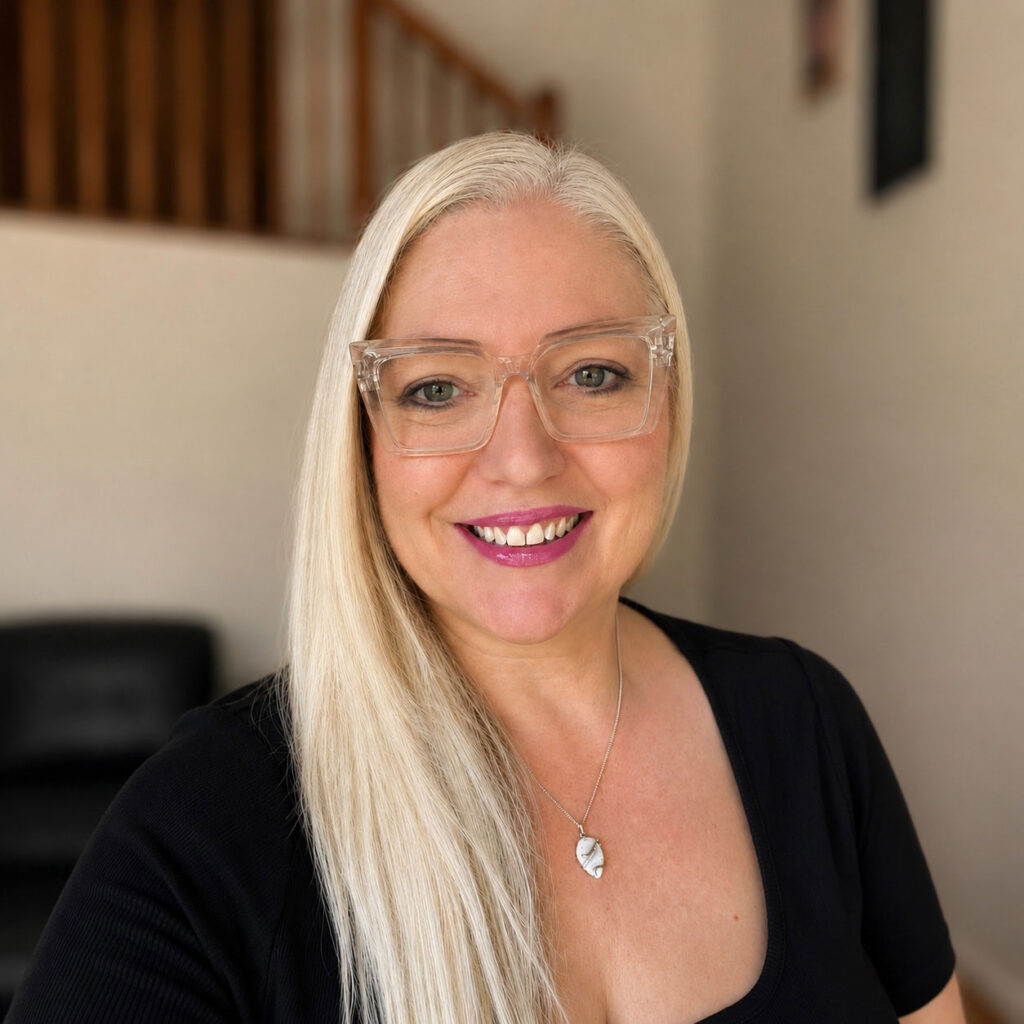
When Communication Techniques Aren’t Enough: Blame the Cycle, Not Each Other
Rachel Daldry, PCC, CACP, DipCouns
Read Session Description & Bio
Good communication skills matter, but what happens when you know the strategies and still find yourselves caught in the same arguments? For ADHD couples, criticism, defensiveness, explaining, overwhelm or withdrawal can quickly become a cycle where both partners are trying to be understood, yet neither feels understood. In this session, Rachel will explore how to recognise these protective patterns, become curious about what is happening underneath them, and shift the focus from “my partner is the problem” to “we’re caught in a cycle together.” You’ll also learn practical ways to interrupt the cycle, regulate, and return to conversations differently.
About Rachel Daldry:
Rachel Daldry (PCC, CACP, DipCouns) is an ADHD Coach and Registered Counsellor specialising in working with adults with ADHD and couples impacted by ADHD.
Her work with couples integrates ADHD psychoeducation and coaching with evidence-informed approaches including Gottman, attachment-based couples therapy and IFS-informed parts work. She helps couples make sense of the emotional and relational dynamics that can keep them stuck in recurring patterns of conflict, while recognising the unique ways ADHD can shape communication, emotional regulation and everyday relationship challenges.
Bringing together her coaching and counselling lenses, Rachel has a practical, compassionate approach that moves beyond insight alone. She helps clients understand not only what is happening and why, but what they can do differently. Her focus is on translating greater awareness into practical, actionable strategies that couples can use outside the therapy room to interrupt unhelpful patterns, strengthen connection and create more sustainable change in their relationships.

Emotional Dysregulation - It's Time To Take Back Control
Phil Boissiere, MFT
Read Session Description & Bio
We all have go-to reactions in conflict. With ADHD in the mix, they can come out oversized, mistimed, or baffling to the person across from you. Learn to catch your most common automatic reactions and swap them for ones that actually work and shed the “defensive” and “impulsive” labels for good!
About Phil Boissiere:
Phil Boissiere, MFT is a licensed psychotherapist and adult ADHD specialist working in the Silicon Valley. He is the author of Thriving with Adult ADHD, a TEDx speaker, and creator of the online course Beyond Focused for Adult ADHD. In addition to his private practice, he co-founded the Elite Focus Clinic for adults with ADHD and is a co-owner of The Relationship Therapy Group.

ADHD & Money: Getting on the Same Financial Page
Christine Hargrove, PhD, LMFT, CFT
Read Session Description & Bio
Money can be complicated—and ADHD can make financial decisions, planning, and communication even harder. Christine Hargrove explores why couples often see their finances so differently, how ADHD can fuel anxiety and conflict around money, and why traditional budgeting doesn’t always work. Learn practical ways to talk about money more productively, plan for real life, and work together toward greater financial well-being.
About Dr. Hargrove:
Christine Hargrove, PhD, LMFT, CFT™ is a clinical assistant professor and assistant director of the Love and Money Center at the University of Georgia. She serves as President-Elect of the Financial Therapy Association. Her clinical work, research, teaching, and outreach are dedicated to promoting the emotional, relational, and financial wellbeing of people with ADHD, and she has been featured in media outlets such as CNN, Nerdwallet, Fidelity.com, MarketWatch, and USA Today
Register Now
Choose the Access That Works for You
Sometimes the most helpful conversation is the one that happens in real time.
FREE PALOOZA ACCESS
Your free registration includes:
- Each day’s presentations during the 27-hour viewing period
- The Live ADHD Couples’ Panel + Q&A
- Three days of ADHD relationship education and practical strategies
GET THE ENCORE PACKAGE
Three days can go quickly, especially when life, work, kids, appointments and ADHD are involved.
With Encore, you can return to the sessions on your own schedule.
Your Encore package includes:
- Video recordings
- Audio recordings
- Written transcripts
- Speaker bonus gifts and resources
- Ongoing access to the sessions
$197 $97
Hurry, this limited time early bird discount will expire!

You Don’t Have to Figure This Out Alone
ADHD can create relationship patterns that are hard to recognize when you’re living in the middle of them.
The ADHD Couples’ Palooza gives you three days to learn from experts who understand those dynamics and discover new ways to understand yourself, your partner and your relationship.
Come with your partner or come on your own. We’d love to have you with us.
October 23–25, 2026
Frequently Asked Questions
Is the ADHD Couples’ Palooza really free?
Yes! You can register for free and enjoy each day’s presentations during the free viewing period.
Are the sessions live or pre-recorded?
The speaker sessions are pre-recorded and will be available to watch for 27 hours each day, so you can view them when it works best for you.
The ADHD Couples’ Panel + Q&A will be live on Sunday, October 25.
Can I attend even if my partner doesn’t want to participate?
Absolutely. You are welcome to attend on your own.
Is the Palooza only for married couples?
No. The ADHD Couples’ Palooza is for anyone interested in understanding and improving an ADHD-impacted relationship.
Do I need an ADHD diagnosis to attend?
No. A formal ADHD diagnosis is not required.
Will transcripts be available?
Yes. Written transcripts are included with the Encore package.
What is included with Encore access?
Encore includes video recordings, audio recordings, transcripts and speaker bonus gifts and resources.
What is the refund policy for Encore?
Due to the digital nature of the Encore package and the immediate access to event materials and information upon purchase, refunds will not be available once the Palooza has begun.
How will I access the sessions?
Registered attendees will receive instructions and access links by email. Be sure to register with an email address you check regularly.
What if I have trouble registering or accessing the Palooza?
We’re happy to help! Please contact Janine at janine@adhdpalooza.com for registration, access or other Palooza questions.